
Brand Identity Design Process: 7 Essential Steps
Discover the seven essential stages of the brand identity design process, including research, positioning, visual development, and brand guidelines, and learn how to build a consistent identity.
A strong brand identity does more than make a business look professional. It helps customers recognise the business, understand its value and distinguish it from competitors. Achieving this requires more than designing an attractive logo. It requires a structured brand identity design process that connects business strategy with visual communication.
For growing businesses, startups and established organisations, the process should begin with understanding the business, its customers and its market position. Only then should design decisions be made.
Whether you are building a new brand or updating an existing one, understanding how brand identity is developed helps you make better decisions, allocate resources effectively and build an identity that remains consistent as your business grows.
What Is the Brand Identity Design Process?
The brand identity design process is the systematic approach used to research, plan, design and implement the visual elements that represent a business.
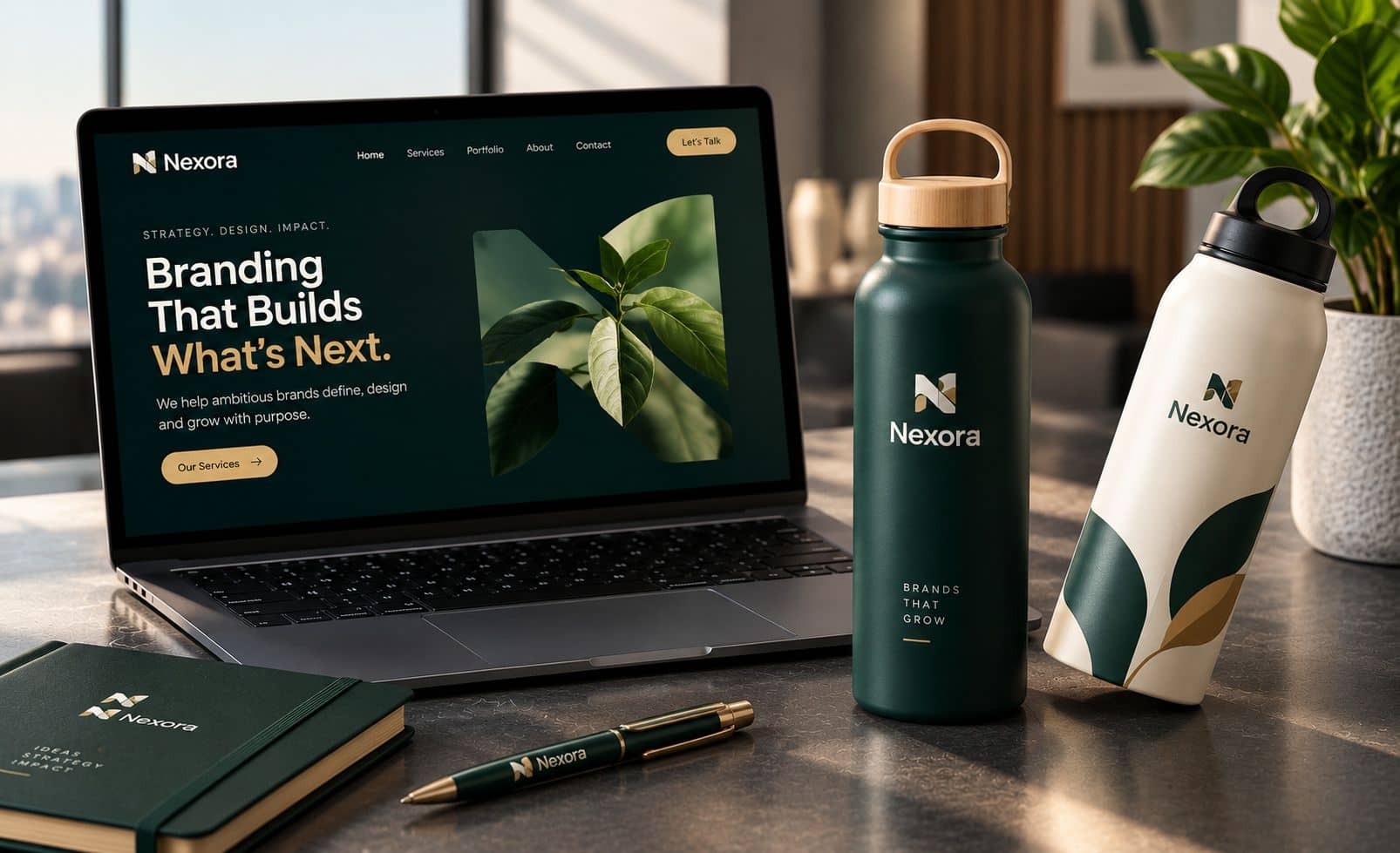
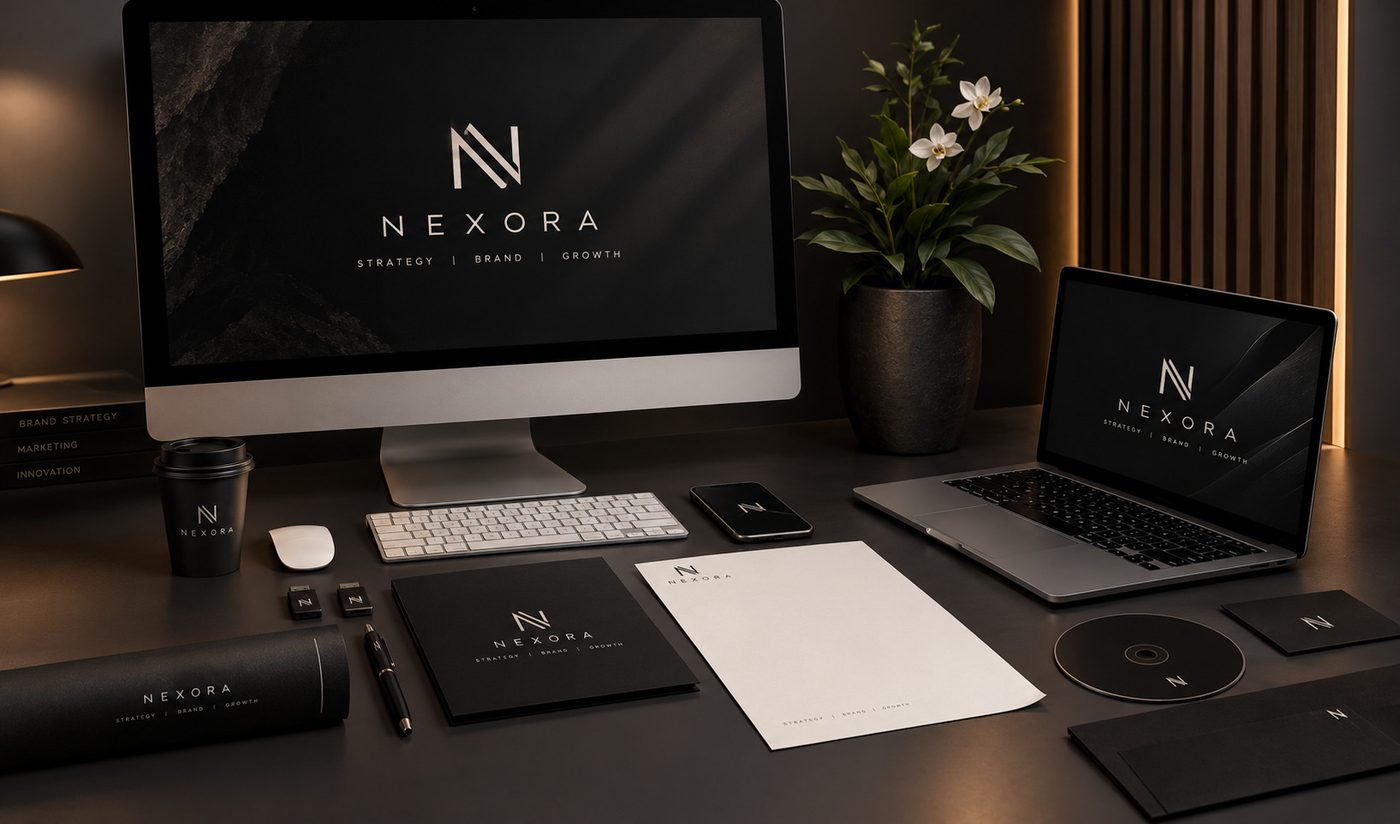
These elements typically include a logo, colour palette, typography, imagery, graphic devices and layout principles. Together, they form a recognisable visual system that communicates the brand across websites, social media, company profiles, packaging, presentations and other customer touchpoints.
However, effective identity development extends beyond visual execution. It must account for the business's positioning, target audience, competitive environment and communication objectives.
Adobe's guide to brand identity design provides an additional overview of the key visual elements and the process of developing a cohesive identity.
At Brand Veneer Studio, the principle is straightforward: strategy first, design second. Every visual decision should serve a clear purpose.
The 7 Steps of the Brand Identity Design Process
1. Research the business and its market
The first step is discovery. Before designing anything, the designer needs to understand what the business does, whom it serves, what it stands for and where it wants to go.
This stage involves reviewing the company's history, services, strengths, challenges and future ambitions. It also involves understanding the customers whose attention and trust the brand needs to earn.
Competitor research is equally important. Examine how competing businesses present themselves, what visual conventions dominate the industry and where opportunities for differentiation exist.
The objective is not to copy successful competitors. It is to identify the expectations customers bring to the category and determine how the business can communicate its value more distinctly.
Key deliverable: A discovery summary identifying the business's objectives, audience, competitive context and branding challenges.
2. Define the brand strategy and positioning
Research provides information. Strategy determines what to do with it.
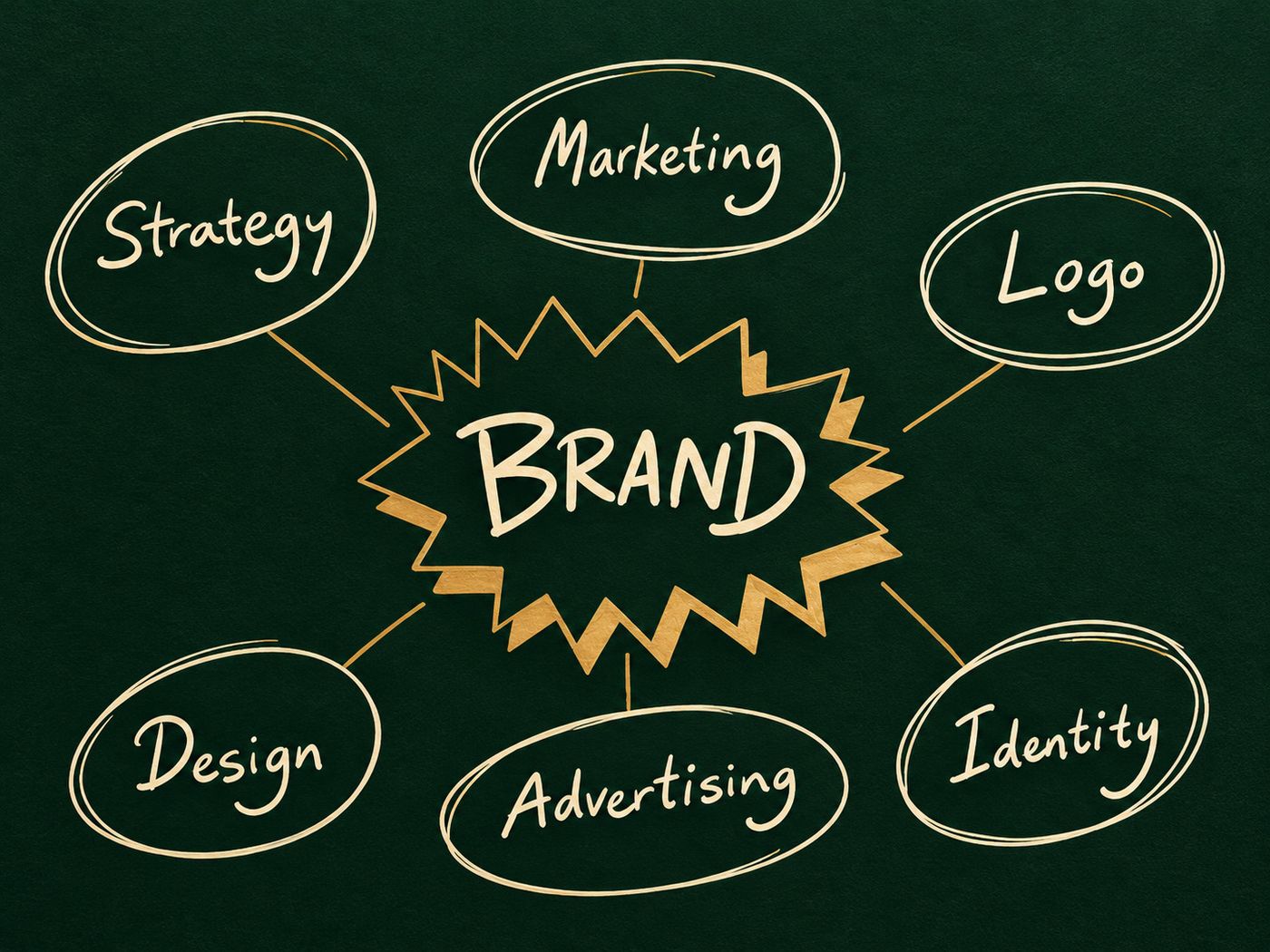
Brand positioning establishes how a business wants to be understood relative to competing alternatives. It clarifies the audience the brand serves, the value it offers and the reasons customers should consider choosing it.
At this stage, define the brand's core value proposition, personality, messaging direction and intended market perception.
For example, a professional consultancy targeting corporate clients may need to communicate expertise, reliability and commercial understanding. A consumer lifestyle brand may need to communicate accessibility, individuality or aspiration instead.
These differences should influence the identity from the beginning.
Adobe's guide to building a brand discusses the importance of understanding audiences, researching competitors and defining a brand's purpose and position.
Key deliverable: A clear strategic direction that guides creative decisions and keeps the identity aligned with business objectives.
3. Develop the creative direction
Creative direction translates the brand strategy into a visual concept.
Before developing the final identity, the designer establishes the visual territory the brand should occupy. This may involve exploring typography, colour relationships, imagery, composition, graphic styles and relevant visual references.
The purpose is to determine how the brand should feel and communicate before committing to specific design elements.
A premium professional services brand, for instance, might benefit from restrained colours, confident typography and disciplined layouts. Another brand may require more expressive colours and energetic graphics to connect with its audience.
Neither approach is inherently better. The right direction depends on the positioning, audience and intended application.
Creative direction also helps prevent subjective decision-making. Instead of asking whether a design simply looks attractive, the team can evaluate whether it communicates the intended qualities of the business.
Key deliverable: An agreed creative direction that connects the strategy to the proposed visual identity.
4. Design the core visual identity
With the strategy and creative direction established, the designer develops the identity system.
This usually includes the following elements:
- Logo: A distinctive identifier that represents the business and works across relevant applications.
- Colour palette: A considered combination of colours that supports recognition, personality and usability.
- Typography: Typefaces and hierarchy rules that communicate the brand's character while maintaining readability.
- Graphic elements: Supporting shapes, patterns, icons or other devices that make the identity more distinctive.
- Imagery direction: Principles for photography, illustrations and visual content that reinforce the brand's positioning.
These components should function as one coherent system rather than a collection of unrelated design choices.
Practical performance matters, too. The logo should remain recognisable at small sizes, typography should work on mobile screens and colours should maintain sufficient contrast for readable content.
The W3C Web Content Accessibility Guidelines explain minimum text-contrast requirements for accessible digital content. This is a useful reference when developing brand colours for websites and other digital applications.
Key deliverable: A cohesive visual identity system, including the approved logo and supporting design elements.
5. Test the identity across real applications
An identity that looks impressive in a presentation may not perform equally well in everyday use.
Before final approval, test the proposed system in contexts where customers will actually encounter the brand. These might include a website header, social media graphic, company profile, business proposal, business card, packaging or presentation template.
Evaluate whether the logo remains legible, the colours work together, the typography creates a clear hierarchy and the design remains recognisable across different formats.
It is also worth checking how the identity appears on mobile devices and in printed materials.
For digital applications, Adobe's guide to creating a cohesive brand identity offers further practical guidance on aligning identity elements across marketing materials.
Testing should reveal usability problems before the identity is rolled out widely. Necessary refinements at this stage can prevent repeated design corrections later.
Key deliverable: A validated identity with refinements informed by realistic applications and stakeholder feedback.
6. Create brand guidelines
Once the identity is approved, its rules need to be documented.
Brand guidelines explain how the identity should be used so that different people can produce consistent materials without making arbitrary design decisions.
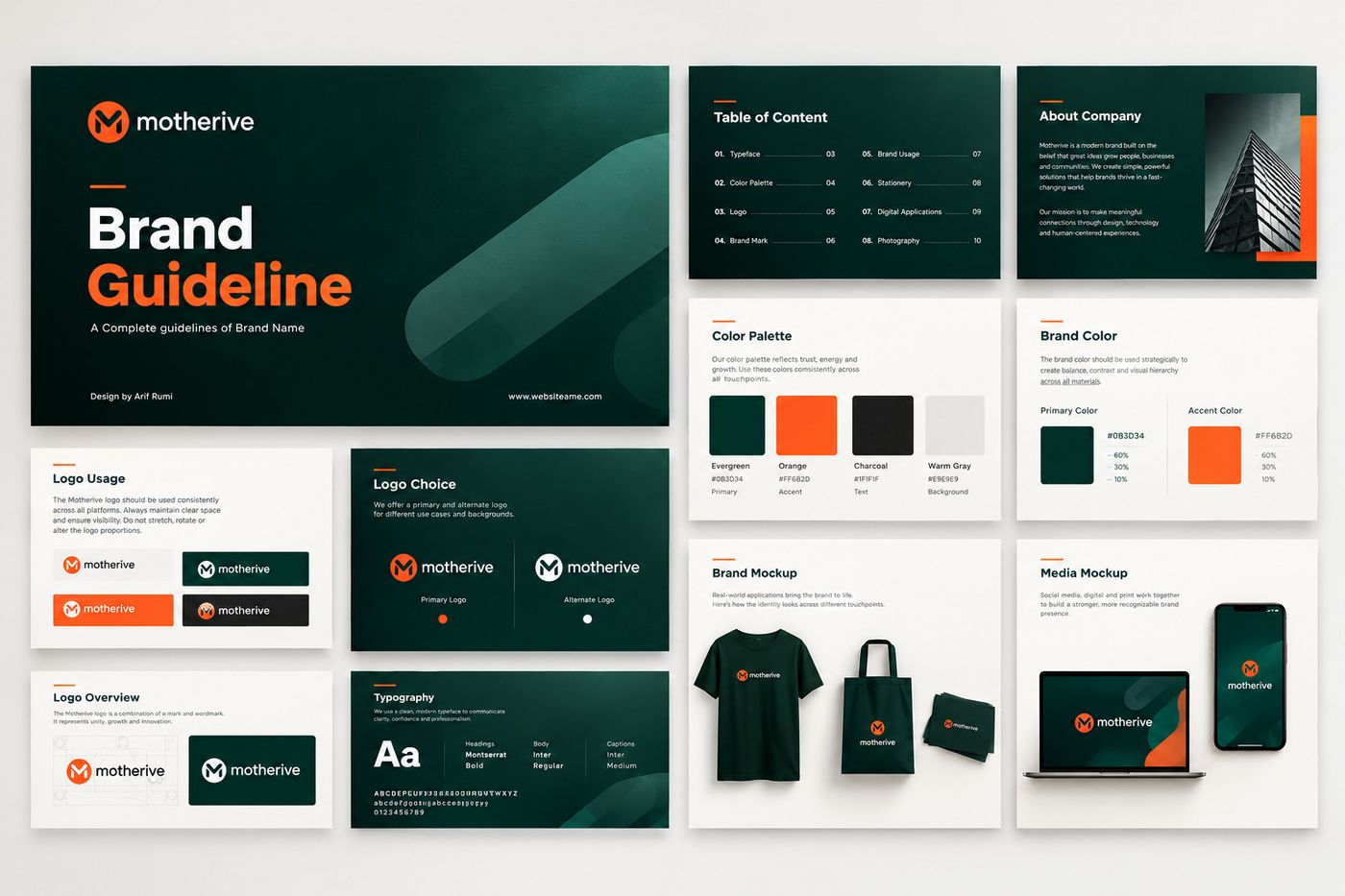
Depending on the project's scope, guidelines may cover:
- Primary and secondary logo variations.
- Logo spacing, minimum sizes and incorrect uses.
- Brand colours and their digital or print specifications.
- Typography, font hierarchy and text styling.
- Image selection and graphic element usage.
- Layout principles and spacing.
- Examples of brand applications.
For organisations with multiple employees, suppliers or marketing partners, guidelines are particularly valuable. They provide a common reference for maintaining consistency as the volume of branded materials increases.
Adobe's resource on consistent brand identity explores the role of brand audits and style guides in maintaining a recognisable brand.
The level of documentation should match the complexity of the business. A small business may need a concise guide, while a large institution may require more detailed rules and application standards.
Key deliverable: A practical brand guideline document that makes the identity easier to implement and maintain.
7. Implement, monitor and refine
The final stage is implementation.
The approved identity is applied to the business's key touchpoints, including its website, social media profiles, marketing materials, sales documents and other relevant communications.
Prioritise the applications that influence customer decisions most directly. For a business that wins contracts through proposals, its company profile and presentation materials may deserve early attention. For an online business, the website and digital customer journey may be the priority.
After implementation, monitor whether the identity is being used consistently and whether it supports the original business objectives.
Customer feedback, the quality of incoming enquiries, brand recognition and the performance of relevant marketing activities can help inform future improvements.
A brand identity should remain consistent, but it does not need to remain frozen forever. Significant changes in the business, audience or market may justify a review.
Key deliverable: A deployed identity system with a clear process for maintaining consistency and evaluating future improvements.
How Long Does the Brand Identity Design Process Take?
The timeline depends on the complexity of the business, the scope of the work, the number of stakeholders and how quickly feedback and approvals are provided.
A focused visual identity project will generally require less time than a comprehensive engagement involving research, positioning, messaging, multiple applications and detailed brand guidelines.
A useful project plan allocates time for discovery, strategy, creative development, revisions, testing and final delivery. Rushing the early stages can lead to avoidable revisions because the designer may be solving the wrong problem.
Before starting, agree on the deliverables, approval stages, revision process and expected timeline. This makes the project easier to manage and helps both parties understand what completion means.
Common Mistakes in Brand Identity Development
Several mistakes can weaken an otherwise promising identity.
Designing before understanding the business. An attractive logo cannot compensate for unclear positioning. Establish the strategic direction first.
Following trends without considering relevance. A visual style that works for one brand may communicate the wrong qualities for another. Choose design elements based on the audience and objectives.
Treating the logo as the entire identity. A logo is only one component. Consistent typography, colours, layouts and imagery help create a recognisable system.
Ignoring practical applications. An identity should work beyond mock-ups. Test it in the formats the business uses regularly.
Failing to document the rules. Without clear guidelines, different teams may introduce inconsistent colours, typography and layouts over time.
Expecting design alone to drive business growth. A strong identity supports recognition and communication, but its impact also depends on the quality of the offer, customer experience, marketing and sales execution.
Avoiding these mistakes helps ensure that the final identity is not only visually coherent but also useful in everyday business operations.
Choosing the Right Brand Identity Design Partner
The quality of the process matters as much as the quality of the final visuals.
When evaluating a branding studio, look for evidence that it understands business objectives, researches the market, explains its design decisions and develops identities that work across real applications.
Review relevant portfolio projects and ask what strategic problem each project was intended to solve. Clarify the deliverables, revision terms, ownership of final assets and whether usable brand guidelines are included.
A good design partner should be able to explain not only what the brand will look like, but also why the proposed direction makes sense for the business.
For businesses seeking a more strategic approach to identity development, explore Brand Veneer Studio's brand identity services.
Build Your Brand Identity on Strategy, Not Guesswork
An effective brand identity design process follows a clear sequence: understand the business, define its position, establish the creative direction, develop the visual system, test its applications, document the rules and implement the identity consistently.
Each stage reduces uncertainty and gives the next stage a stronger foundation.
The result should be more than an attractive logo. It should be a recognisable, practical identity that communicates the business's value and supports its long-term objectives.
At Brand Veneer Studio, we start with your story, your market and your ambitions before making visual decisions. The aim is to create a brand identity that reflects the quality of your business and gives your audience a clearer reason to choose you.
Ready to build a more distinctive brand? Explore our brand identity design services and take the next step towards a more coherent brand.
Frequently Asked Questions
The main stages are business and market research, brand positioning, creative direction, visual identity development, application testing, brand guidelines and implementation. The exact scope varies depending on the business and project requirements.
Strategy establishes the audience, positioning and value the identity needs to communicate. Without it, visual decisions risk being based on personal preference rather than the business's actual objectives.
A typical package includes logo variations, colours, typography, supporting visual elements and brand guidelines. Depending on the project, it may also include social media templates, company profiles, presentation layouts or other branded materials.
A new identity may be appropriate when your current visuals no longer reflect your business, your positioning has changed, your materials are inconsistent or customers struggle to distinguish you from competitors. Sometimes, a targeted brand refresh is sufficient instead of a complete redesign.
Professional identity development can be scoped to suit a business's needs and resources. The important consideration is to prioritise a coherent, usable system that supports the business rather than investing in isolated visual assets without a clear direction.